
Key Takeaways
- Azelaic acid clears acne, calms redness, and fades dark spots.
- It’s safe for all ages, sensitive skin, and pregnancy.
- Results start in 4–6 weeks, with full effect in 3 months.
- Always use SPF—azelaic acid increases sun sensitivity.
- Use a pea-sized amount after cleansing, before moisturizer.
Meet Azelaic Acid: The Grain-Born Helper
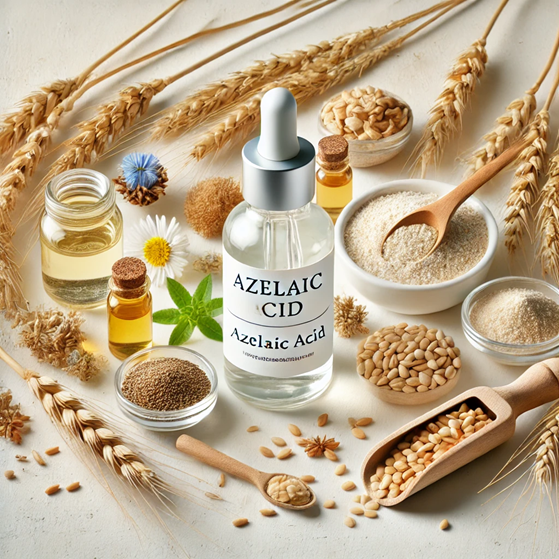
Azelaic acid sounds like science class, yet it starts its life in everyday grains—barley, wheat, and rye. A friendly yeast that lives on our own skin also makes small amounts. Chemists copy this natural recipe so we can bottle its benefits. Think of it as a handy multi-tool: it slices away extra pigment, scrubs out clogged pores without grit, and keeps pimple-causing germs from throwing a party on your face.
I first tried it during medical school while helping a teen patient who refused harsh scrubs. Two months later her cheeks were smooth and confidence shot up; the class photo said it all. Stories like hers still remind me that gentle science can match heavy-duty treatments, minus the sting.
How It’s Made: From Field to Face
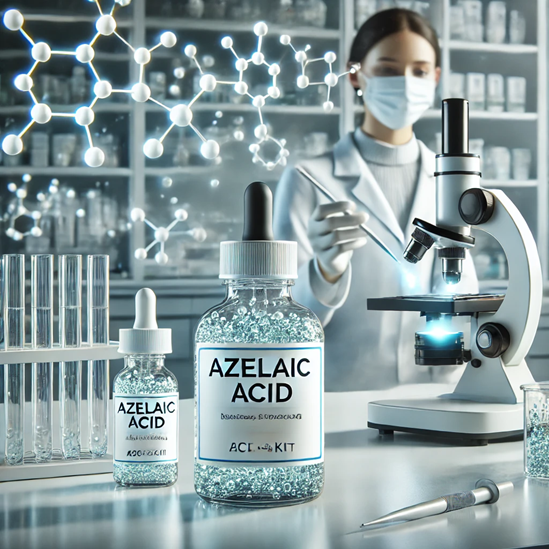
Manufacturing starts with tiny grains ground to powder and mixed with oxygen in stainless-steel reactors. This controlled “air bath” turns simple fatty acids inside the grains into azelaic acid crystals. The crystals are cleaned, milled to baby-soft size, and blended into gels or creams at 10 % or 15 % strength. Each batch must hit strict purity rules—over 98 %—before tubes get sealed. Because the base is water-free, no strong preservatives are needed, which pleases sensitive skin. That mild base also lets brands like our Acne Fighting Kit combine azelaic acid with soothing B5 or niacinamide. When you see “dicarboxylic acid” on the back label, you’re looking at the formal chemical name for azelaic acid—nothing more mysterious than vitamin C being called ascorbic acid.
How Azelaic Acid Stops Acne Bacteria
Propionibacterium acnes and Staphylococcus epidermidis love the oily corners of pores. Azelaic acid slips inside, then pokes holes in the bacterial wall, making the germs leaky and weak. Lab plates show up to a 50 % drop in colony counts after a single overnight exposure. Unlike antibiotics, it doesn’t teach bacteria to “fight back,” so resistance is nearly zero. That is why dermatologists often suggest azelaic acid when antibiotics lose power.
In the clinic I compare it to taking away a bully’s shoes: the bully can’t run, so harmless classmates return. Pairing it with our acne patch is a clever one-two combo—patch traps oil, azelaic acid wipes out the invaders, and the pore never clogs enough to swell into a pimple.
Soothing Redness Like a Cool Compress
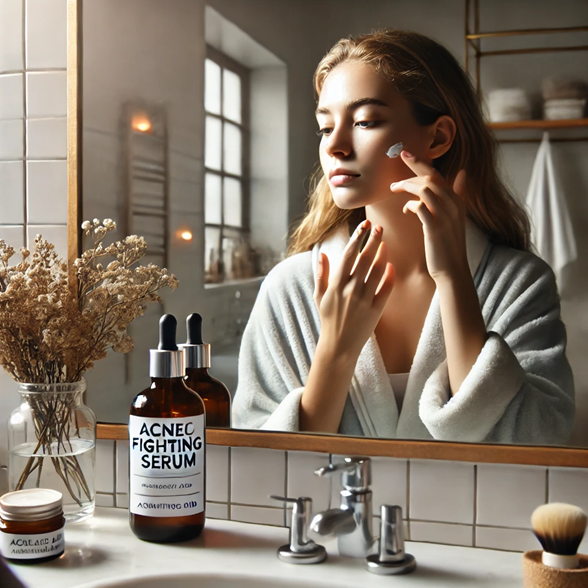
Red, hot bumps involve inflammatory chemicals, cytokines and reactive oxygen species—buzzing around like angry bees. Azelaic acid calms the swarm. It mops up free radicals and tells skin cells to make fewer cytokines. Studies find a 65 % cut in visible redness after 12 weeks on 15 % gel. That is why many rosacea patients graduate from prescription metronidazole to over-the-counter azelaic acid and never look back.
Unclogging Pores Without Rough Scrubbing
Dead skin cells like to stick together, forming tiny plugs. Azelaic acid loosens the glue called keratin without the scratchy grains found in many scrubs. Under a microscope, treated pores show neat columns of cells that can rise and shed instead of curling into hard corks. Because the action is gentle, peeling is rare, even when used daily.
I ask new patients to massage a pea-size blob over the T-zone each night, then follow with our light B5 moisturizer for cushion. Within weeks blackheads soften enough to glide out with warm water alone. The skin looks smoother, yet there is no “snake-skin” flake phase seen with strong retinoids.
Fading Spots and Evening Skin Tone
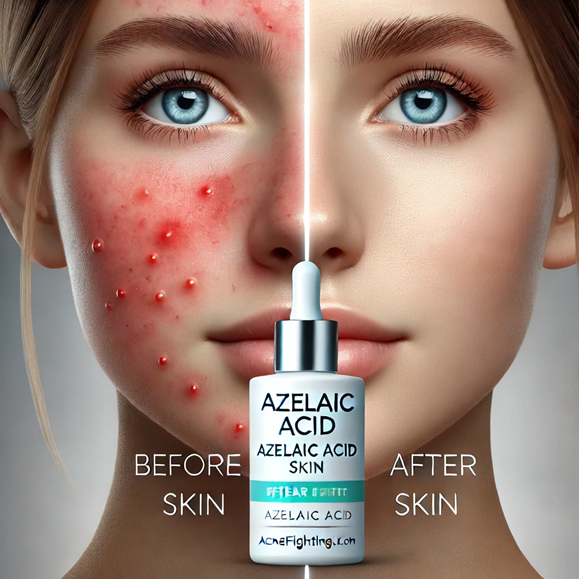
Azelaic acid blocks tyrosinase, the enzyme that turns the amino acid tyrosine into the pigment melanin. With the factory slowed, dark spots left after pimples fade almost three times faster. Because it does not bleach surrounding skin, the overall tone evens out instead of turning patchy. I advise applying only on marks during the first two weeks to test sensitivity, then expanding to full-face if no stinging appears. Adding sunscreen, my clinic stocks a mineral SPF 50 in our shop, keeps ultraviolet rays from undoing your progress.
Azelaic Acid and Rosacea: A Calm Partnership
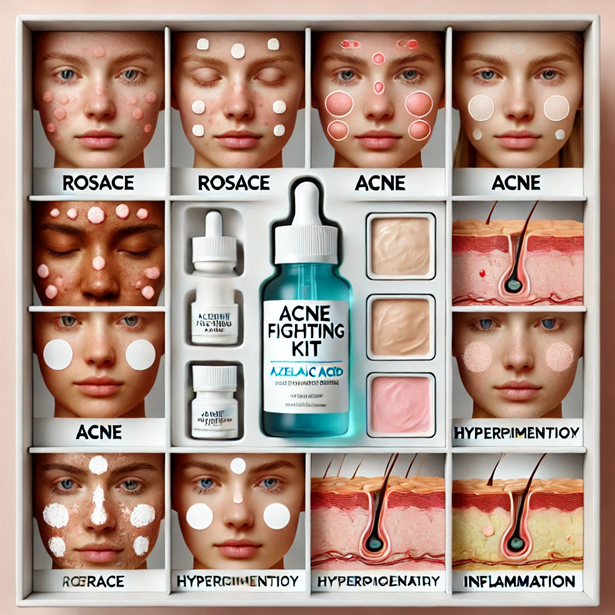
Rosacea involves faulty blood-vessel control plus excess Demodex mites on facial skin. Azelaic acid hits both: it lowers vessel-widening nitric oxide and limits mite growth. In a split-face trial, a 15 % foam cleared papules 10 % faster than prescription ivermectin cream—and patients preferred the lighter texture. Jenny, a radio host I treat, keeps a tube at her studio. She dots it on after lunch breaks, and her afternoon live video streams now show an even complexion instead of blotchy flare-ups. If you’re switching from antibiotic gels, ease in with alternate-day use for the first week to dodge dryness.
Safety First: Who Can Use It and When
Dermatologists like azelaic acid because allergic reactions are extremely rare (less than 1 % in large trials). The molecule’s big size keeps it from diving too deep, so it stays in the top skin layers where it is needed. Pregnant and breastfeeding people may use it; pediatric studies even include children as young as nine.
My youngest patient, aged ten, used a doctor-compounded 10 % cream for mild forehead bumps and reported no sting at all. If you have eczema, start with a 5 % spot-test; pair with petrolatum on the surrounding skin to seal moisture. Folks with very dark skin should know that azelaic acid does not create “halo” light patches the way strong hydroquinone sometimes can, another safety plus.
Start Using It: A Beginner-Friendly Routine
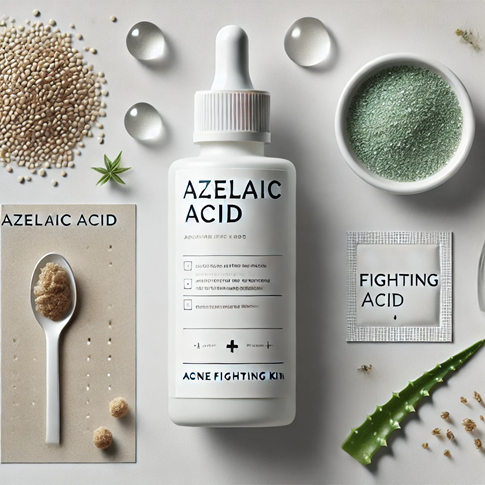
- Cleanse with a mild face wash, no micro-beads.
- Dry gently—dab with a towel, no rubbing.
- Apply a pea-sized dot of azelaic acid on the whole face or just trouble spots.
- Wait two minutes for full absorption.
- Moisturize with a light, fragrance-free lotion.
- Protect every morning with broad-spectrum SPF 30 +.
Expect a slight tingle in the first week; that fades as the skin barrier adjusts. Skipping harsh toners, physical scrubs, or high-strength retinoids for the first month helps avoid dryness.
Common Pitfalls and How to Dodge Them
Using too much: More than a pea-sized amount won’t work faster; it only risks dryness.
Layering acids: Mixing with strong glycolic or salicylic acids can double irritation. Stick to one leave-on acid at a time.
No sunscreen: Sun exposure triggers pigment to rebound. A wide-brim hat plus SPF makes today’s progress stick.
Quitting early: Azelaic acid works steadily, not instantly. Stopping at week three is like leaving a marathon at mile five, you miss the medal.
Applying on wet skin: Water pulls the product deeper and may sting. Always pat dry first.
When patients hit these bumps, I remind them that the goal is steady, boring consistency—not flashy overnight miracles. Keep a photo diary; tiny weekly gains add up.
Pro Tips From My Derm Practice
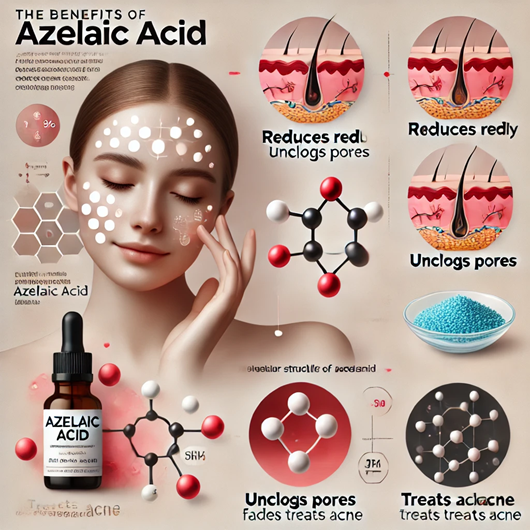
- Combine with niacinamide: A 5 % serum underneath boosts barrier repair and speeds redness fade.
- Use silicone patches overnight: They lock the acid against cystic bumps; peel off in the morning to flatter, calmer skin.
- Refrigerate the tube: A cool gel eases the mild sting some beginners feel.
- Spot-treat ingrown hairs: It keeps follicles clear and bacteria low, a trick loved by beard growers.
- Mask plus acid: Once a week, after rinsing a clay mask, apply azelaic acid to fresh pores for an extra-clean slate.
Every tip here comes from questions in my exam room. I tested each idea on myself first; the fridge hack saved my own winter-reactive cheeks last January.
Frequently Asked Questions
Does azelaic acid purge the skin?
No. It does not speed cell turnover as aggressively as retinoids. Any new pimples you see are likely ones already forming under the surface.
Can I use it with benzoyl peroxide?
Yes—morning benzoyl peroxide, evening azelaic acid is a safe split routine.
Is a higher percentage always better?
Not for every face. Sensitive skin often thrives on 10 %. Higher strengths mainly shorten the timeline, not the end result.
Will it bleach my pillowcase?
Unlike benzoyl peroxide, azelaic acid is colorless and does not bleach fabrics.
How long can I keep an open tube?
Most products stay stable for 24 months once opened; check the tiny jar symbol on the box.