
Key Takeaways
- Adapalene clears pores, calms redness, and prevents breakouts.
- Apply a pea-sized amount daily, full results take up to 12 weeks.
- Mild dryness or peeling is normal, moisturizer and SPF help.
- Avoid during pregnancy or breastfeeding unless approved by a doctor.
- Use with gentle cleansers and spot patches for faster healing.
What Is Adapalene Gel?
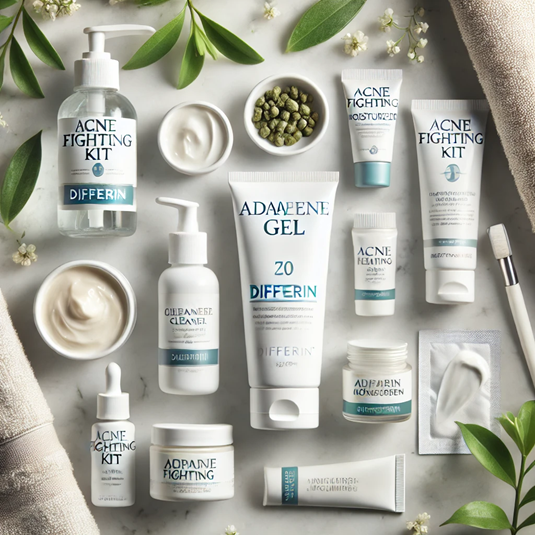
Adapalene gel is a vitamin A cousin called a retinoid. When you spread this clear, fragrance-free gel on your face, it tells skin cells to grow and let go at the right speed. That keeps dead cells from bunching up inside pores, which is the starting point for blackheads, whiteheads, and angry red spots. Unlike older prescription retinoids, adapalene is stable in light and oxygen, so the gel remains strong even when you open the cap every night.
Dermatologists have used it safely for more than 25 years, and in many countries, including the U.S., it is sold without a prescription, so teens and adults can begin care quickly. The 0.1% strength most stores sell is the same dose once handed out only in clinics. Because adapalene fights clogged pores and calms swelling, it works on both tiny bumps and deeper “underground” cysts.
How Adapalene Works Inside Your Skin
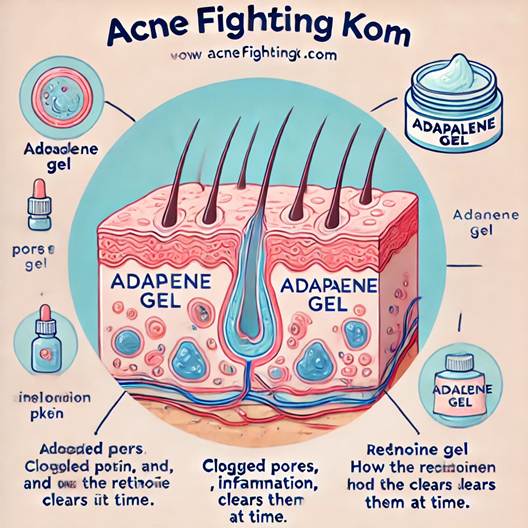
Imagine your pore as a tiny tunnel. Oil and dead cells travel upward and should slip out onto the skin’s surface. In acne, that traffic jam freezes, trapping bacteria that cause swelling. Adapalene steps in like a traffic-flow officer: it speeds up cell turnover so the tunnel walls stay smooth and slick, lowers the stickiness of dead cells, and tones down the chemical messengers that shout “inflame!” at nearby skin.
Studies show pore plugs shrink within two weeks, while redness fades over six to eight weeks. Because adapalene binds less tightly to skin receptors than tretinoin, it still clears acne but stings less. Dermatology texts call this a “third-generation” retinoid, meaning its molecule was engineered to do its job with fewer side effects.
Key Benefits at a Glance
Adapalene brings improvements you can see and feel: fewer bumps, smoother texture, and a glow that makeup cannot fake. In controlled trials, teens using adapalene 0.1% saw up to 65 % fewer total pimples by week 12, while placebo users saw about 15 %.
Other bonuses matter too: pores look tighter because plugs dissolve, dark marks fade quicker thanks to faster cell turnover, and skin feels less bumpy under fingertips. Because the gel is non-comedogenic (it will not block pores) and fragrance-free, it fits oily, combination, and even sensitive complexions. People who dislike thick creams enjoy its light, quick-drying base. If you want an easy supply kit, the Acne Fighting Kit + TYB-B5 bundles adapalene with a gentle cleanser and vitamin B5 lotion so you can start and stick with your plan.
How to Use Adapalene Correctly
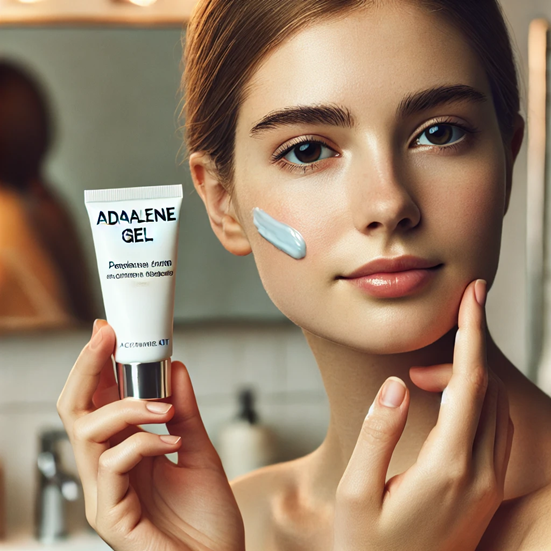
Start with a face washed by a mild, non-foaming cleanser; pat dry for at least 10 minutes—water left on skin can pull adapalene deeper and cause extra sting. Squeeze a pea-sized dot onto a fingertip. Dab five tiny dots (forehead, nose, each cheek, chin), then spread a thin film across the whole face. Do not spot-treat. Retinoids prevent new clogs everywhere, so every pore needs coverage. Wait two minutes, then follow with a plain moisturizer; this “sandwich” buffers early dryness without lowering adapalene’s power. Use the gel once nightly. If you are nervous, try every third night for the first week, then every other night, and reach nightly by week 3. Always wash hands afterward. In the morning, wear a broad-spectrum SPF 30 or higher; retinoids make fresh skin cells that burn quickly.
The Purge: Why Skin Can Look Worse Before It Looks Better
During weeks 2–4, dormant clogs hurry to the surface all at once; dermatologists call this the “purge.” It feels unfair, but it means the medicine is working. Expect small whiteheads on cheeks or chin and mild flaking near the mouth. Keep using adapalene unless spots become painful cysts. You can calm flare-ups with hydrocolloid patches like the Acne Fighting Patch that sip fluid without tearing fragile skin. Add a light, fragrance-free moisturizer morning and night, and avoid physical scrubs, they can rip off the growing new layer. Within a month the purge slows, and by week 12 most people see clear skin with fewer active spots than they had at the start.
Teamwork: Pairing Adapalene With Other Products
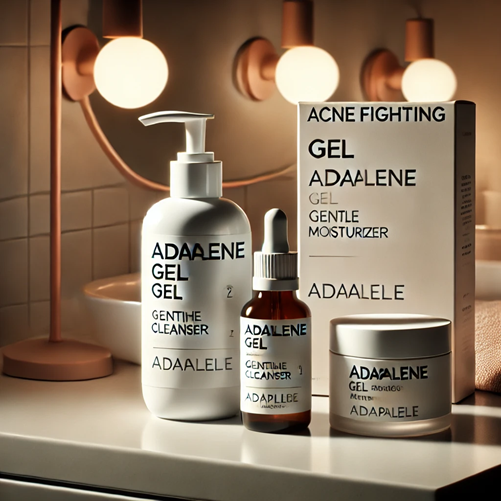
Adapalene plays nicely with many ingredients but hates a few. You can combine it with:
- Benzoyl peroxide (AM) for bacteria-killing power, use in the morning, retinoid at night.
- Niacinamide for redness control and barrier repair.
- Ceramide creams to lock in moisture.
Skip or limit:
- High-percentage AHAs/BHAs that may double-up exfoliation and sting.
- Physical scrubs and alcohol toners that thin the barrier.
When building a routine, apply thinnest to thickest textures: watery toner → gel serum → adapalene → cream. On especially cold or dry days, sandwich adapalene between two layers of moisturizer for extra cushioning.
Sun Safety and Daily Protection
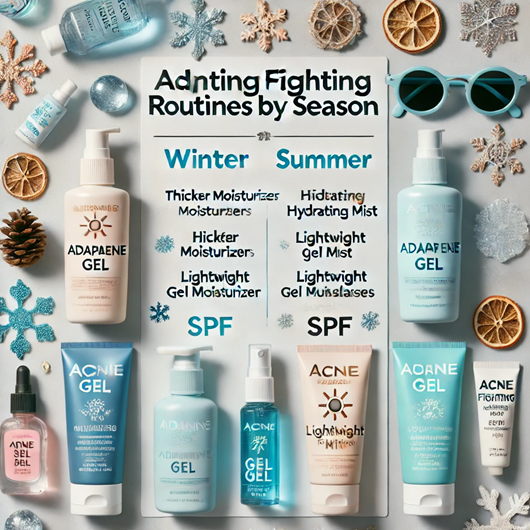
Adapalene uncovers new baby skin cells that sunburn faster, so SPF is non-negotiable. Choose a broad-spectrum mineral or hybrid sunscreen and use a nickel-sized blob for the face. Reapply every two hours if you are outside or sweating. A baseball cap shields the delicate forehead where purging often starts. Even on cloudy days, 80 % of UVA rays still reach ground level. If you swim, look for water-resistant formulas and blot dry before re-applying. Sunscreen does not clog pores when labeled non-comedogenic; in fact, some mineral filters calm redness. Remember to protect your neck and ears, the skin there is thin and ages the fastest.
Expected Side Effects and Simple Fixes
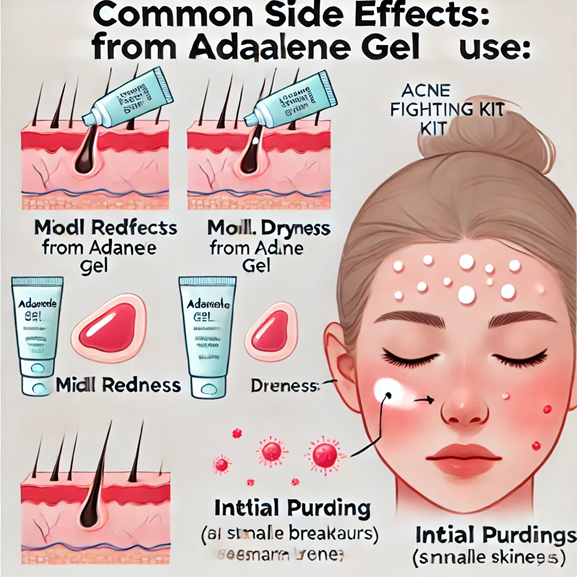
Dryness, flaking, and a sand-paper feel are common for the first month. Think of it as your old, clogged top layer lifting away. Soothe tightness with a ceramide-rich cream and avoid hot water, which strips natural oils. A soft, damp washcloth can lift flakes—scrubs are too harsh. Redness usually fades after weeks 4–6. If skin feels fiery, pause adapalene for two nights and resume slowly. Very rarely, people develop contact dermatitis (intense burning, oozing rash). Pregnant or nursing users should skip adapalene unless their doctor clears it because retinoids can affect a growing baby.
Who Should Skip or Pause Adapalene
Not everyone must use a retinoid. Children under 12 should wait. If you have eczema, rosacea, or very broken skin, introduce adapalene only after those conditions are calm. Stop three days before and after in-office peels or laser appointments to reduce irritation risk. Certain oral acne medicines like isotretinoin already speed up turnover; layering adapalene on top may be too drying. Always tell your dermatologist what you use at home so they can plan safe combinations.
Smart Storage and Travel Tips
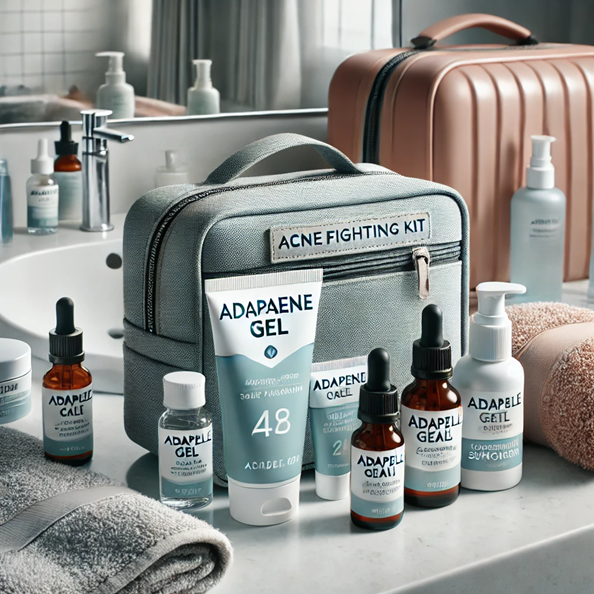
Heat and light break down retinoids. Keep the tube in a cool drawer away from the steamy shower. Screw the cap tight to stop air from thickening the gel. On trips, tuck the tube inside a zip bag, then place it in a toiletry pouch so pressure in a suitcase does not squeeze out half the product. Adapalene stays stable at room temps up to 25 °C (77 °F), so no ice pack is needed. The shelf life is usually two years—check the crimped end for the exact “EXP” date. If the gel changes color or separates, toss it.
Long-Term Results: What 12 Weeks and Beyond Look Like
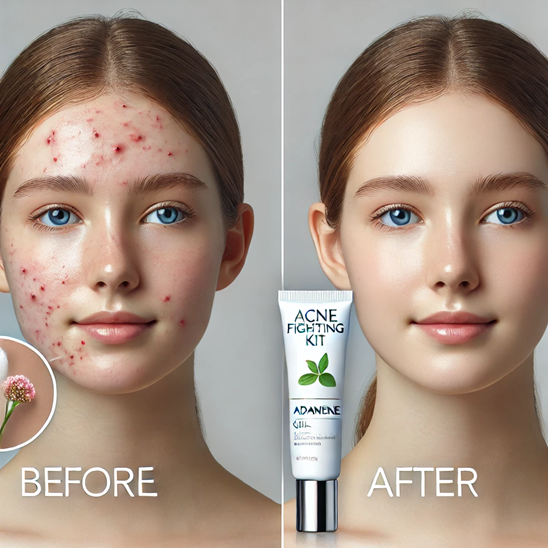
Most scientific papers track adapalene for 12 weeks, but everyday users often keep it for years. After three months, pores stay clearer and post-inflammatory marks fade faster because fresh cells reach the surface on schedule. Skin tone evens out, which is why many dermatologists let patients with both acne and early sun damage stay on the gel long term.
Unlike some antibiotics that lose punch, adapalene keeps working because bacteria cannot “learn” resistance to vitamin A action. To maintain gains, stick to nightly application and keep SPF as your daytime partner. If breakouts still pop up, a dermatologist might add benzoyl peroxide wash or oral medicine rather than stop adapalene, it is considered the backbone of many acne routines.
Frequently Asked Questions
Q 1. Can I use adapalene on body acne?
Yes—shoulders, chest, and back respond well. Use a larger pea-sized amount per area and wear an old T-shirt until it dries.
Q 2. How long should one tube last?
A 45 g tube used on the face only should last about 90 days. If you finish sooner, you may be applying too much.
Q 3. Is it safe to wax while on adapalene?
Avoid hot wax on treated areas; skin lifts easily. Shaving or threading is safer.
Q 4. Can I layer makeup over adapalene?
Absolutely. Let the nighttime gel absorb fully. In the morning, cleanse, moisturize, apply SPF, then use non-comedogenic makeup.
Q 5. What if I miss a dose?
Skip it and resume the next night—doubling up can cause irritation.